China Top 10 Square Tube Mill Pipe Making Machinery
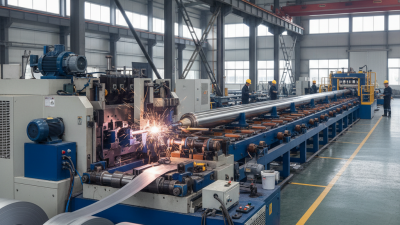
China’s top 10 Square Tube Mill Pipe Making Machinery suppliers reflect a competitive shift toward precision, automation, and dependable production. These machines convert steel strip into square and rectangular tubes through forming, welding, sizing, cutting, and inspection. Every stage matters.
A small error can multiply.
An unstable uncoiler may create strip tension changes. Poorly aligned forming rolls can leave twisted corners, uneven welds, or visible surface marks. Experienced operators therefore examine the entire line, not only its rated speed. They check mill rigidity, roll material, high-frequency welding control, cooling design, cutting accuracy, and maintenance access. These details often separate impressive brochures from reliable factory performance.
Shigeo Shingo, the respected Japanese manufacturing engineer, wrote, “The most dangerous kind of waste is the waste we do not recognize.” His principle fits tube production closely. Hidden waste may appear as repeated setup adjustments, excessive scrap, energy loss, or downtime caused by difficult cleaning. A strong Square Tube Mill Pipe Making Machinery solution should reduce these problems without sacrificing tube quality or worker safety.
This article introduces ten leading machinery options and compares their practical capabilities. It considers output range, compatible steel grades, automation level, weld stability, dimensional tolerance, and after-sales support. Production conditions differ. A machine designed for high-volume structural tubing may not suit thin-wall decorative profiles. That distinction is easy to overlook. Real purchasing decisions require verified samples, factory testing, technical documentation, and honest attention to limitations. The ranking is therefore a useful guide, not an absolute verdict.
Square Tube Mill Basics: Forming Sizes from 20×20 to 600×600 mm
China Top 10 Square Tube Mill Pipe Making Machinery
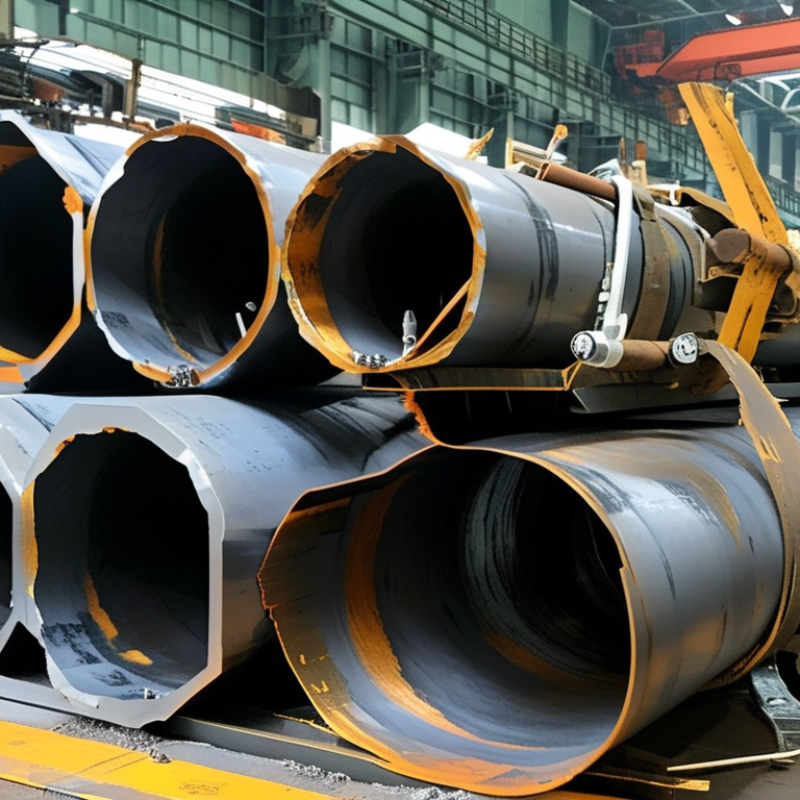
Square tube mills convert steel strip into welded hollow sections. The 20×20 mm range needs accurate strip feeding and compact forming rolls. Larger sections, up to 600×600 mm, require stronger stands, wider coils, and controlled welding pressure. Wall thickness, steel grade, and corner radius determine the real machine capacity.
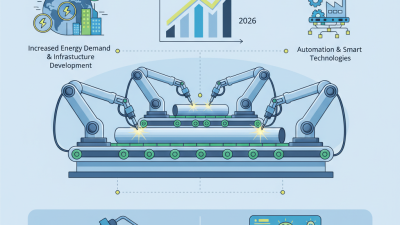
World Steel Association data recorded 1,892 million tonnes of crude steel production in 2023. China produced about 1,019 million tonnes, according to World Steel in Figures 2024. This scale supports strong demand for tube processing equipment, especially in construction, infrastructure, and industrial fabrication.
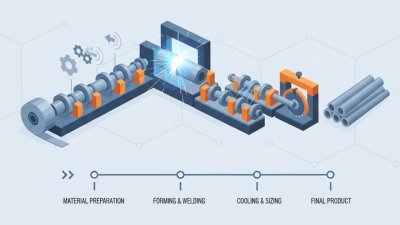
A typical line includes decoiling, leveling, forming, high-frequency welding, sizing, straightening, and flying cutting. Small tubes often need tighter dimensional control because minor roll errors quickly affect squareness. Large 600×600 mm sections need stable alignment and higher structural rigidity. It sounds simple.
In practice, selecting a mill only by its maximum size is a weak approach. A line rated for 600×600 mm may not efficiently produce 20×20 mm tubes. Production speed also changes with thickness, material strength, weld quality, and tooling changes. Some specifications look impressive on paper, but actual output may fall below expectations. Trial production data deserves more trust than catalog claims.
Key Machinery Stages: Uncoiling, Leveling, Forming, Welding, and Sizing
China Top 10 Square Tube Mill Pipe Making Machinery
Square tube production begins with controlled uncoiling. The strip enters. Operators check coil width, edge damage, and tension before feeding. Leveling removes coil memory through repeated bending rolls. Small errors multiply. A 1 mm alignment shift can later affect corner geometry and weld stability. The World Steel Association’s World Steel in Figures 2024 reports approximately 1.89 billion tonnes of crude steel production in 2023, showing the scale of steel processing demand.
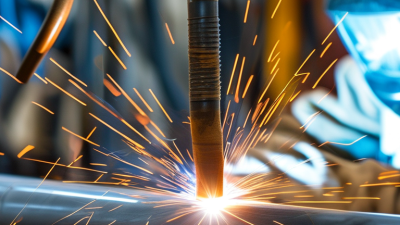
Forming stands gradually shape the strip into a round tube, then a square profile. Sudden deformation may cause surface marks or uneven corners. High-frequency resistance welding joins the edges, while electrical settings must match thickness and line speed. The seam matters. Typical production lines may operate around 20–80 metres per minute, although actual speed depends on material grade, thickness, and inspection requirements. ASTM A500 and EN 10219 are useful references for structural hollow-section quality.
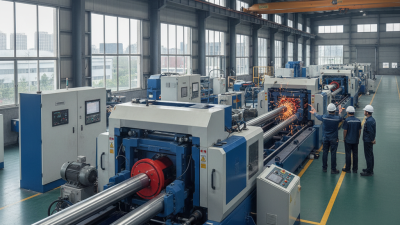
Sizing stands correct width, height, straightness, and corner radius after welding. Cooling and cutting must avoid crushing the still-warm profile. Experienced technicians monitor weld flash, roll wear, and dimensional drift during production. Automated gauges improve consistency, but they do not replace judgment. This process is less perfect than many equipment descriptions suggest. In practice, humidity, coil camber, and imperfect setup can disturb stable output. Reliable mills therefore retain inspection records, calibration results, and sample measurements for every production batch.
China Top 10 Square Tube Mill Pipe Making Machinery
Typical carbon-steel strip thickness range supported by key machinery stages
The chart presents representative industry ranges in millimeters for a continuous ERW square tube mill. Actual limits depend on strip grade, tube size, line speed, tooling, welding method, and machine configuration. The process sequence is uncoiling, leveling, forming, welding, and sizing.
Selection Criteria: Wall Thickness, Output, Tolerance, and Energy Efficiency
China Top 10 Square Tube Mill Pipe Making Machinery
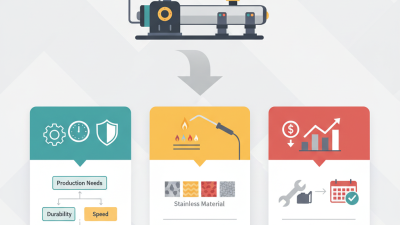
Selecting China’s top ten square tube mill machines requires more than comparing purchase prices. Wall thickness should match the forming method, roll design, and welding capacity. Thin-wall tubing needs stable strip feeding and accurate tension control. Heavy-wall products demand stronger stands and higher forming torque. The International Energy Agency reports that iron and steel production creates about 7% of global energy-related emissions. Energy efficiency therefore matters during every production shift.
Output must be measured in finished tonnes, not only advertised line speed. A fast mill may lose capacity through frequent coil changes, rejects, or slow size adjustment. For tolerance, buyers should review measurements against standards such as EN 10219 or ASTM specifications. A practical trial should check outside dimensions, corner radius, weld strength, and straightness. The World Steel Association reported global crude steel production of about 1.89 billion tonnes in 2023, showing the scale of competition and efficiency pressure. Yet, higher output is not always better.
Tips: Request production data for your actual steel grade and thickness range. Measure electricity per tonne, not only motor power. Inspect sample tubes after continuous running. I would also reserve time for operator training; this is often underestimated. A small tolerance drift can become expensive scrap. Reports provide useful benchmarks, but factory conditions still decide real performance.
China Top 10 Square Tube Mill Pipe Making Machinery - Selection Criteria: Wall Thickness, Output, Tolerance, and Energy Efficiency
Representative high-frequency electric-resistance-welded (HF-ERW) square and rectangular tube mill configurations. Values are typical engineering ranges for carbon-steel production and should be confirmed against the required standard, material grade, and finished-section size.
Selection notes: Output depends on strip width, steel grade, coil weight, tube dimensions, wall thickness, welding frequency, cutting length, and uptime. Outside-dimension tolerance is a typical production target rather than a universal standard limit. For specification work, verify the required dimensional and wall-thickness requirements against the applicable standard, such as ASTM A500, EN 10219, or the project specification. Energy figures represent approximate electrical consumption per tonne of finished tube and exclude upstream steelmaking and downstream painting or galvanizing.