How to Choose the Best Pipe Making Machine Tube Mill?
Choosing the right Pipe Making Machine Tube Mill is crucial for any manufacturer. As industry expert John Smith once said, “The quality of your tube mill impacts overall production efficiency.” This highlights the importance of making informed choices.
The Pipe Making Machine Tube Mill sector has evolved significantly. With advancements in technology, there are various options available. However, not all machines are created equal. It's essential to consider factors like build quality, speed, and efficiency. A well-selected machine can increase production and reduce waste.
While many manufacturers aim for top-tier machines, budget constraints often lead to compromises. This can result in a machine that does not meet production needs. It’s vital to evaluate both current and future requirements. Reflecting on choices made is just as important as making them. This ensures the selected Pipe Making Machine Tube Mill will serve the business well for years to come.
Understanding Different Types of Pipe Making Machines and Tube Mills
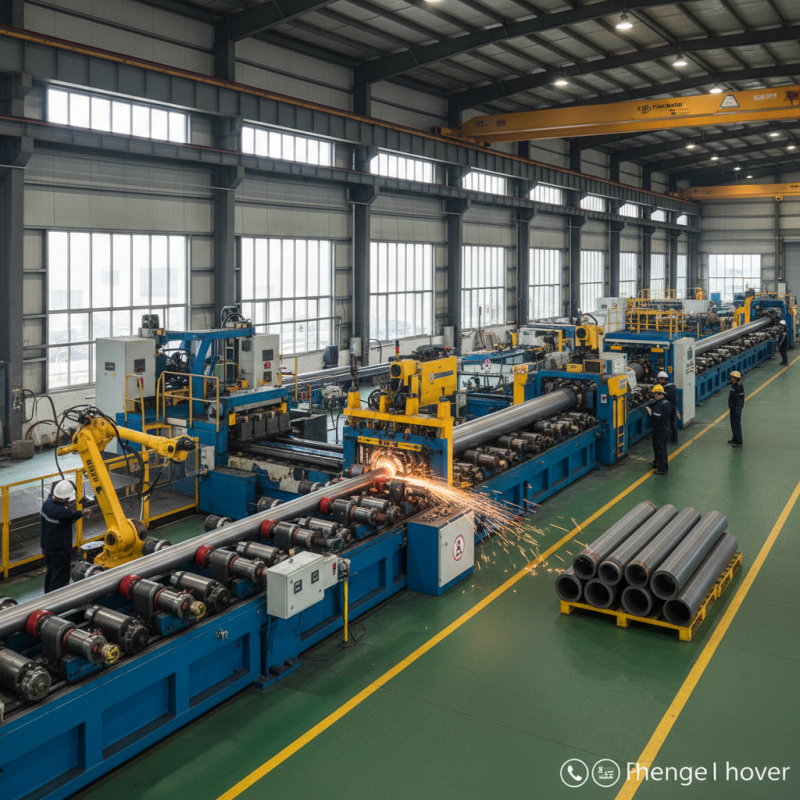
When considering pipe making machines, understanding the various types available is crucial. There are several categories, including high-frequency welded tube mills, spiral welded tube mills, and seamless pipe machines. Each type serves distinct purposes and is tailored for specific materials and product requirements. According to industry reports, high-frequency welded tube mills are gaining popularity, accounting for roughly 45% of the market share due to their efficiency in producing smaller-diameter pipes.
Different machines are suited for unique production scales and types of pipes. For instance, spiral welded tube mills are often preferred for larger diameters. However, these machines can be complex. They may experience challenges in maintaining quality at high speeds. Data indicates that operators often need advanced training to handle the intricacies of these machines effectively.
Beyond machine types, it's important to consider material compatibility and production volume. Standard steel, stainless steel, and aluminum require different handling. Production volume affects the machine's design and cost-efficiency as well. Many businesses face difficulties in scaling their operations due to choosing the wrong type of machine initially. An informed choice can prevent costly adjustments and downtime.
Key Features to Consider When Choosing a Pipe Making Machine
When selecting a pipe-making machine, it's crucial to understand key features that impact efficiency and quality. Look for machines with robust construction. A durable frame ensures longevity and stability during operation. This is vital since pipe production involves high-speed processes. The thickness of the materials used should also be considered. Heavy-duty components can handle more stress and demand less frequent maintenance, which saves time and money.
Next, evaluate the technology used in the machine. Advanced automation features can greatly enhance productivity. For instance, machines equipped with digital controls allow for precise adjustments. This leads to consistent product quality. Understand the technical specifications too. The milling and welding capabilities of the machine should align with your intended output.
Moreover, consider the machine's flexibility. It should accommodate various pipe sizes and materials. A versatile machine allows for adapting to market changes. However, it’s important to weigh the cost versus needs. Sometimes, a more expensive machine isn’t the best choice for smaller operations. Regularly reflect upon your production goals. This self-assessment ensures the machine remains aligned with your evolving requirements.
Evaluating the Efficiency and Production Capacity of Tube Mills
Choosing the right pipe making machine, particularly a tube mill, hinges significantly on evaluating its efficiency and production capacity. Current industry data indicate that high-efficiency tube mills can produce up to 3,500 feet of pipe per hour. This production rate is crucial for meeting rising market demands. However, understanding the operational parameters is key. For instance, the material type and wall thickness greatly influence the tube mill's output and performance.
When assessing production capacity, it is essential to consider the energy consumption of the machine. Efficiency ratings suggest that advanced models use approximately 20% less energy than older units. This aspect not only impacts operational costs but also reflects industry trends toward sustainability. Regular maintenance schedules can also influence performance. Neglecting maintenance may lead to unplanned downtime, reducing overall output and efficiency.
Moreover, selecting a tube mill with automation features may enhance production quality. Machines that include automatic welding processes reportedly produce fewer defects, ensuring higher yield rates. Yet, it's worth noting that automation can complicate repairs and maintenance. Therefore, understanding potential trade-offs is vital for improving long-term operations and efficiency. careful evaluation of these factors ensures that industries can optimize their production capabilities effectively.
How to Choose the Best Pipe Making Machine Tube Mill? - Evaluating the Efficiency and Production Capacity of Tube Mills
| Parameter |
High Efficiency Tube Mill |
Medium Efficiency Tube Mill |
Standard Efficiency Tube Mill |
| Production Capacity (Tons/hour) |
5-10 |
3-5 |
1-3 |
| Tube Diameter Range (mm) |
10-200 |
20-150 |
30-100 |
| Power Consumption (kW) |
50-100 |
30-50 |
20-30 |
| Setup Time (Hours) |
2 |
3 |
4 |
| Maintenance Frequency (Months) |
6 |
8 |
12 |
Assessing the Cost and Budget Considerations for Pipe Making Equipment
When selecting a pipe making machine, cost and budget play critical roles. A comprehensive market analysis shows that prices for tube mills can range widely, from $30,000 to over $200,000, depending on features and capacity. Investing in higher-quality machinery may initially seem costly but can lead to better long-term returns through increased efficiency and reduced maintenance costs.
Tip: Always evaluate the total cost of ownership, not just the purchase price. This includes installation, training, and ongoing maintenance. Many companies report up to a 20% improvement in productivity with more reliable equipment.
Another factor is the impact of energy consumption. According to the Energy Information Administration, manufacturing industries spend about $22 billion annually on electricity. Machines designed for energy efficiency can significantly lower operational costs over time.
Tip: Make energy efficiency a key consideration when assessing options. Check for machines that offer features like programmable settings to optimize energy use. Doing so can offer savings that justify a higher upfront investment. Reflecting on these aspects can help you choose the best machine for your needs.
Cost Analysis of Different Pipe Making Machines
Importance of Manufacturer Reputation and After-Sales Support in Selection
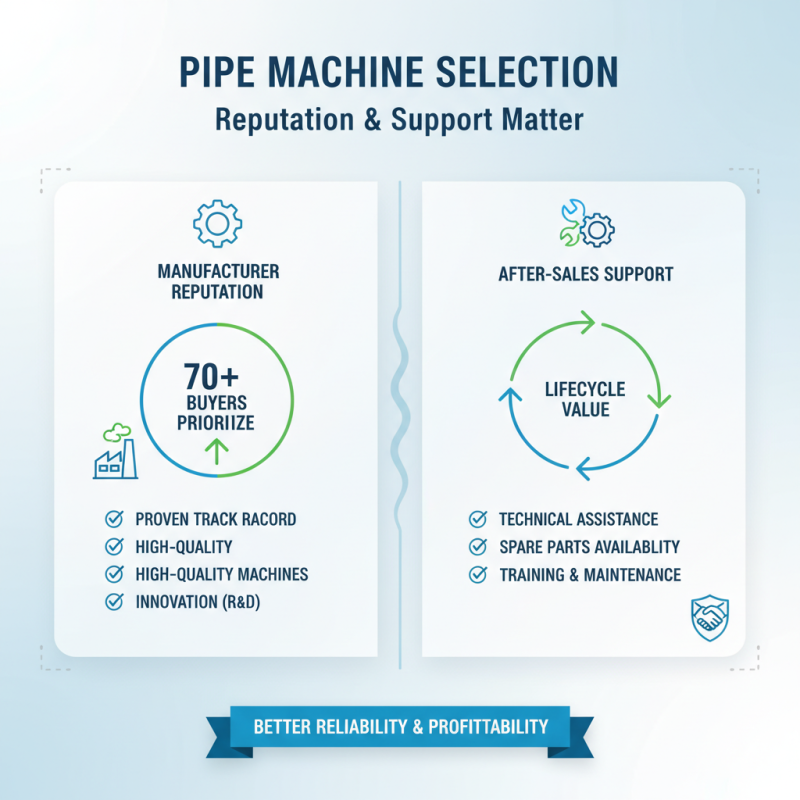
Choosing the right pipe making machine can be a daunting task. A critical aspect is the manufacturer’s reputation. Over 70% of buyers prioritize this when selecting equipment. A reputable manufacturer often has a proven track record. This includes high-quality machines and positive customer feedback. Trusted brands tend to invest in research and development. This leads to better, more efficient machine designs.
After-sales support is another vital factor. According to industry surveys, nearly 60% of equipment failures occur within the first year. Immediate and effective support can significantly reduce downtime. Manufacturers that offer comprehensive after-sales services can save companies both time and money. It’s essential to evaluate their support offerings, such as installation, training, and warranty.
However, don't overlook the importance of reviews and testimonials. While trends can guide decisions, personal experiences matter too. A single negative review can indicate potential issues. Listening to existing customers is invaluable. Understand their experiences. This can help in making an informed choice that aligns with your business goals.