How to Choose the Best Pipe Making Machine Tube Mill for Your Needs?
Choosing the right Pipe Making Machine Tube Mill for your needs can be daunting. The right machine can significantly boost your production efficiency. According to a recent industry report by Market Research Future, the global pipe and tube mill market is expected to grow at a CAGR of 4.2% from 2022 to 2027. This growth highlights the increasing demand for high-quality pipes across various sectors, including construction and automotive.
Industry expert Dr. Alice Chen, a prominent figure in pipe manufacturing technology, emphasizes, "Selecting the right pipe making machine is crucial for meeting both quality and productivity standards." Investing in a suitable Pipe Making Machine Tube Mill requires careful consideration of factors such as material compatibility, production speed, and machine durability. Many companies overlook these essential criteria, leading to suboptimal performance and increased costs.
Evaluating the available options involves understanding the specific needs of your operation. Not all tube mills are created equal. Some may excel in speed, while others might focus on precision. Reflection on past decisions and aligning them with current technological advancements is vital for choosing the best machine. Doing so can lead to significant improvements in both profitability and product quality.
Understanding the Different Types of Pipe Making Machines Available
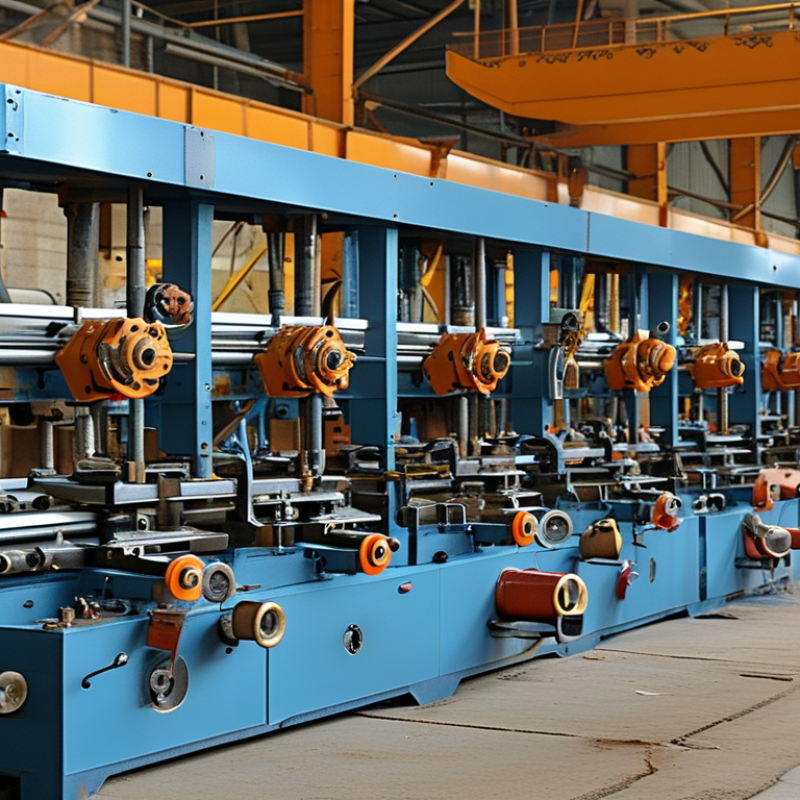
When choosing a pipe making machine, understanding the various types available is crucial. Pipe making machines vary from simple manual models to advanced automated systems. Manual machines are suitable for small-scale operations. They offer flexibility but require more labor. On the other hand, automated machines increase production speed and consistency. However, they come at a higher cost.
Different machines also cater to various materials. Some are designed for steel, while others work best with plastic or aluminum. It's important to assess what material you'll be using most. A machine that works well with one type might struggle with another. Additionally, consider the intended pipe diameter and wall thickness. Not all machines can handle every specification.
Maintenance should also factor into your decision. Automated machines often require specialized technicians for repairs. This can lead to downtime if the necessary skills are not available. Manual machines, while easier to fix, may need regular adjustments. Balancing these considerations can be challenging. Reflecting on your operational needs and future goals is essential. Make sure you weigh reliability against functionality for long-term success.
How to Choose the Best Pipe Making Machine Tube Mill for Your Needs?
| Type of Pipe Making Machine |
Material Compatibility |
Production Capacity (m/min) |
Pipe Diameter Range (mm) |
Power Requirement (kW) |
| High Frequency Welded Mill |
Steel, Stainless Steel |
20-100 |
20-200 |
40-60 |
| ERW Pipe Mill |
Carbon Steel, Alloy Steel |
10-80 |
15-150 |
30-50 |
| Spiral Pipe Mill |
Steel, PVC |
5-60 |
40-1200 |
50-100 |
| Tube Mill |
Aluminum, Copper |
15-70 |
10-100 |
20-40 |
Key Factors to Consider When Choosing a Tube Mill
Selecting the right tube mill for pipe making requires careful consideration.
Focus on factors such as production capacity, material compatibility, and machine precision.
Industry reports indicate that efficiency can increase with machines offering higher RPM.
A study by the Tube and Pipe Association highlights that mills operating at 100-150 m/min
provide optimal productivity.
Quality of components impacts the durability of the machine.
High-quality gears and bearings tend to extend the lifespan.
Reliable mills can reduce downtime, ensuring consistent production.
Reports indicate that uptime can improve by 20% with quality parts, reflecting in overall operational costs.
Cost is another important factor. While lower prices are tempting, long-term performance matters more.
Investing in a reliable tube mill can yield better returns.
Consider the maintenance requirements. Some machines demand intensive upkeep, impacting operational efficiency negatively.
A balance between cost and quality is crucial for making the right choice.
Evaluating the Production Capacity Requirements for Your Business
When selecting a tube mill for your business, evaluating production capacity is crucial. Understand the specific needs of your operation. Consider the volume of tubes you produce daily. A machine with a higher capacity might seem appealing but may not suit smaller operations effectively.
Tip: Start by analyzing your current production levels. Identify any seasonal fluctuations. This assessment allows you to estimate required capacity accurately.
Next, contemplate your future growth. Will your business expand? If so, invest in a machine that accommodates increased demand. Avoid overestimating your needs, as purchasing a larger machine can lead to inefficiency if not fully utilized.
Tip: Consult industry experts or conduct market research to benchmark against competitors. This ensures you make a well-informed decision regarding production requirements. Always keep in mind the balance between capacity and efficiency. A machine that meets current needs may become obsolete if you outgrow it quickly.
Assessing the Quality and Durability of Pipe Making Equipment
When it comes to selecting a pipe making machine, quality and durability are paramount. A recent industry report indicates that over 70% of manufacturers face challenges with equipment lifespan. This short lifespan can lead to increased operational costs and unexpected downtime. Investing in a robust tube mill often translates to a better return on investment. Some machines boast a longevity of up to 15 years, depending on their materials and construction quality.
To assess quality, look for machines that use high-grade steel components. While cheaper materials may initially reduce costs, they often compromise performance. For instance, pipe mills using advanced welding technologies could produce seams that withstand pressures exceeding 1000 PSI. It's crucial to evaluate the machine's manufacturing process. Inspections and certifications from recognized bodies enhance credibility. However, companies must remain vigilant; even certified equipment can underperform if not maintained properly.
It's also vital to consider the machine's adaptability. With changing regulations, machines that can accommodate various pipe sizes and materials often prove more resilient. Reports indicate that 60% of manufacturers are switching to multi-purpose machines for increased versatility. While this sounds promising, the initial learning curve can frustrate operators. Striking a balance between advanced features and user-friendliness is essential for long-term success in pipe manufacturing.
Budgeting for Your Pipe Making Machine Investment and Ongoing Costs
When budgeting for your pipe making machine, consider the initial investment and ongoing costs. The average price range for a mid-quality tube mill is between $50,000 and $150,000, depending on its features and capacity. Regular maintenance costs typically account for around 5-10% of the machine’s value annually. This can add up and affect your overall budget significantly.
Tips: Factor in costs for necessary tools and spare parts. Don’t overlook employee training expenses. Investing in skilled operators leads to better efficiency and fewer costly mistakes.
Beyond initial purchase costs, consider energy consumption. Many tube mills now use advanced technology to reduce electricity use, leading to long-term savings. Reports indicate that energy-efficient machines can lower operational costs by as much as 20%. This can substantially impact your bottom line in a competitive market.
Always evaluate the warranty and service terms provided. A reputable machine vendor should offer comprehensive support, reducing unforeseen expenses associated with repairs and downtime. Prioritizing these details now can prevent larger financial issues later.
Cost Analysis for Pipe Making Machines