How to Choose the Best Steel Pipe Machinery Accessories?
Choosing the best Steel Pipe Machinery Accessories can be daunting. The right accessories impact both performance and efficiency. Consider the quality and compatibility of these components. High-quality accessories ensure durability and reduce maintenance costs.
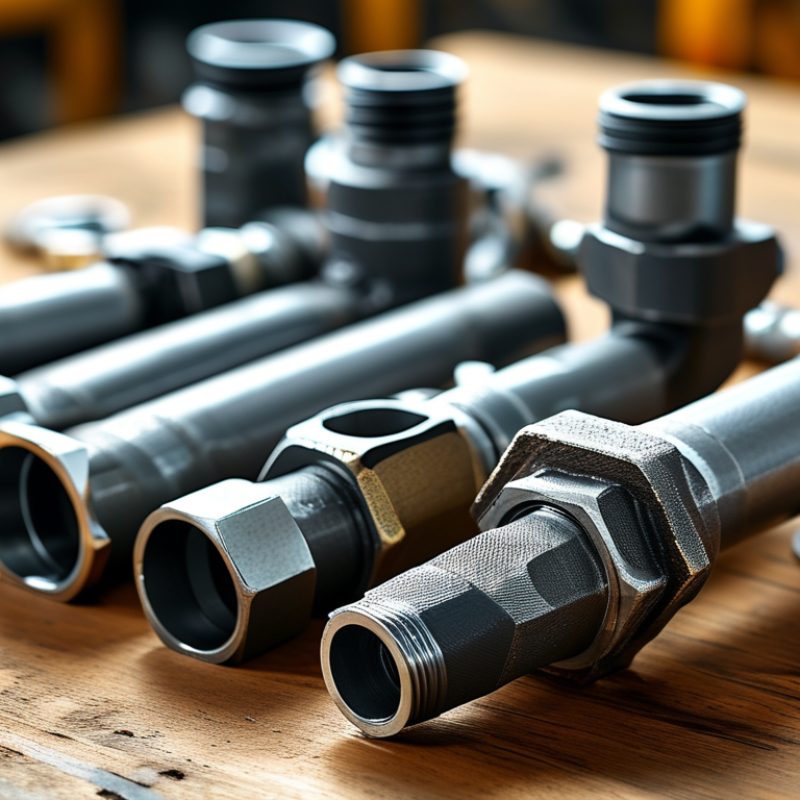
Steel Pipe Machinery Accessories come in various types. Each type serves a unique purpose in the manufacturing process. For instance, fittings connect pipes, while valves regulate flow. Knowing these functions helps in making informed decisions.
It is essential to evaluate suppliers’ credibility. Trustworthy manufacturers provide reliable products and support. However, not all suppliers are equal, and some might over-promise. Research and reviews can unveil the true value of their offerings. Proper selection can enhance the overall productivity of your operations.
Understanding the Importance of Machinery Accessories in Steel Pipe Production
Machinery accessories play a crucial role in steel pipe production. They are not just add-ons; they enhance the efficiency and quality of the production process. Choosing the right accessories can lead to greater output and better product reliability. Every component, from cutting tools to welding fixtures, impacts overall performance.
Understanding the specific needs for your production line is essential. Not all machinery accessories fit every operation. Some may provide efficiency boosts but cause downtime due to compatibility issues. Investing in high-quality, compatible accessories pays off in the long run. Regular maintenance checks can identify potential failures before they disrupt production.
However, selecting accessories can be challenging. Novel accessories claim to offer increased productivity, but results can differ. Evaluate your setup and consider what aspects need improvement. Seek advice from industry experts who can guide you based on practical experiences. It's helpful to learn from others' mistakes to avoid costly decisions. Balancing innovation with tried-and-true methods can help ensure a smoother operation.
Steel Pipe Machinery Accessories Performance Comparison
Key Factors to Consider When Choosing Steel Pipe Machinery Accessories
Choosing the right steel pipe machinery accessories is crucial for performance. Start with compatibility. Ensure the accessories match your machinery specifications. Mismatches can lead to inefficiencies and increased wear. Check the material quality as well. Accessories made from durable materials increase longevity.
Next, consider the manufacturer’s reputation. Research companies thoroughly. Look for testimonials and reviews. A well-regarded manufacturer often provides better support and reliability. Availability of replacement parts is important too. Smooth operations require easy access to parts when needed.
Finally, think about usability. Some accessories may have complex features that complicate operations. Look for straightforward designs that enhance user experience. Balancing advanced functionalities with ease of use is key. Reflect on your past experiences with machinery accessories. Learning from previous mistakes can guide better choices now.
Evaluating Quality Standards and Certifications for Pipe Accessories
When selecting steel pipe machinery accessories, the quality of materials is paramount. Not all accessories are manufactured to the same standards. High-quality steel should meet rigorous industry standards. Understanding these standards helps ensure durability and performance. Checking certifications can provide insight into a product's reliability.
Certifications such as ISO, ASTM, and others signal a commitment to quality. They verify that the manufacturing processes meet specific criteria. Not all manufacturers will have these certifications, which can be a red flag. Always ask for documentation to confirm compliance.
Many accessories may look similar but differ in quality. Small variations in material composition can dramatically impact lifespan. It’s important to recognize that some cheaper options might lead to long-term costs. Investing in certified accessories often pays off through increased efficiency and reduced maintenance needs. Making informed choices can contribute to a more efficient and compliant operation.
Analyzing Cost-Effectiveness and Return on Investment in Machinery Parts
When analyzing the cost-effectiveness of steel pipe machinery accessories, one must consider several key factors. The initial investment can be daunting. However, the right accessories can significantly enhance productivity and reduce maintenance costs over time. Quality parts often last longer and perform better, minimizing downtime. It’s essential to evaluate the lifespan of machinery parts against their costs.
Evaluating return on investment (ROI) is crucial. Calculate how much each accessory contributes to your overall operations. Consider energy savings, efficiency improvements, and maintenance frequency. While lower-priced options may seem attractive, they may lead to higher replacement rates or increased operational inefficiencies. Sometimes, spending more upfront can yield greater savings down the line.
Reflection on past purchases can also guide decision-making. Were previous accessories durable? How did they perform under stress? Documenting these experiences can help refine your choices. Seeking expert opinions can aid in understanding industry standards and innovations. Reliable accessories not only enhance performance but also improve safety, ensuring compliance with regulations. Balancing cost and quality is essential for sustainable operations.
Exploring Technological Advancements in Steel Pipe Accessory Design
Technological advancements in steel pipe accessory design are reshaping the industry. New materials and manufacturing processes are enhancing performance and durability. For instance, a recent report from the International Pipe Manufacturing Association noted a 25% increase in lifespan for modern fittings. Innovations like precision laser cutting and 3D printing are becoming standard. These technologies allow for intricate designs that were once impossible.
Moreover, the push for sustainability influences design choices. Eco-friendly materials are gaining traction. According to a 2023 market analysis, 45% of manufacturers prioritize sustainable practices. This shift presents both opportunities and challenges. While reducing environmental impact is vital, the transition can be costly and complicated. Organizations are reevaluating their supply chains to incorporate these advancements.
In terms of market trends, the demand for smart technology integrations is rising. Sensors embedded in pipe accessories are becoming more common. They provide real-time data on pressure, temperature, and structural integrity. However, integrating these technologies into existing systems can be complex. Adoption rates vary significantly among companies, indicating a need for further exploration and training in the workforce.