Why Invest in a Pipe Making Machine Tube Mill for Your Business?
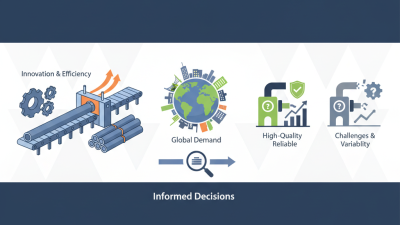
Investing in a Pipe Making Machine Tube Mill is crucial for modern manufacturing. As industries seek efficiency, these machines offer significant benefits. According to a report from Global Market Insights, the pipe mill machinery market is projected to reach $5 billion by 2028. This growth underscores the importance of quality equipment in meeting production demands.
Expert in the field, Dr. Emily Chen, states, "Investing in advanced tube mills leads to higher productivity and reduced waste." Her insights highlight the machine's role in improving operational efficiency. Businesses that adopt these technologies can experience cost savings over time.
Yet, recent studies show that not all companies leverage this technology effectively. Many still rely on outdated machinery, which can hinder growth. It's essential to evaluate current operations carefully. Investing in a Pipe Making Machine Tube Mill may require an upfront expense, but the long-term gains are often worth it.
Understanding the Functionality of Pipe Making Machines in Industry
Pipe making machines, particularly tube mills, play a critical role in various industries, from construction to automotive. According to a recent market report, the demand for steel pipes is projected to reach 230 million tons by 2027. This reflects a significant growth potential for businesses investing in pipe production.
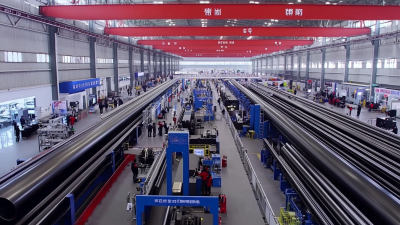
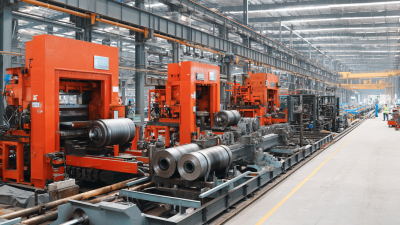
Understanding the functionality of these machines is essential. A tube mill efficiently forms, welds, and cuts steel sheets into precise pipe dimensions. The process can adapt to various materials and specifications, catering to different market needs. The efficiency gained through automated systems can lead to a reduction in production time by up to 30%. However, reliance on technology requires regular maintenance and skills training for personnel, which some businesses may overlook.
The return on investment can be substantial, but not without challenges. Setting up a pipe making machine involves significant initial costs. Some businesses grapple with the steep learning curve of operating complex machinery. Additionally, staying updated with material standards can be daunting. Yet, those who master these challenges can enjoy consistent product quality and reduced waste rates, creating a robust position in the competitive market.
Key Advantages of Investing in Tube Mills for Manufacturing Operations
Investing in a pipe making machine, specifically a tube mill, can bring significant advantages to your manufacturing operations. These machines offer precision and efficiency, ensuring uniformity in sizes and shapes. This reliability can enhance your production quality. Moreover, tube mills are designed for versatility, allowing manufacturers to produce different types of tubes with minor adjustments.
Cost savings is another key benefit. Efficient tube mills can reduce labor costs and material waste. When operating at optimum capacity, they can yield higher output than traditional methods. However, the initial investment can be daunting for some businesses. It's crucial to assess whether the long-term benefits outweigh the upfront costs.
Additionally, maintenance is necessary to keep these machines functioning smoothly. Without proper care, you risk downtime, which can impact overall productivity. Regular training for your operators can also ensure they are effectively utilizing the machines. Investing in a tube mill means not only acquiring equipment but also committing to ongoing improvement and learning.
Key Advantages of Investing in Tube Mills for Manufacturing Operations
Cost-Benefit Analysis: Pipe Making Machines vs. Traditional Methods
Investing in a pipe making machine, specifically a tube mill, can offer significant advantages over traditional methods. While traditional techniques often require more labor, energy, and time, tube mills streamline the manufacturing process. They produce high-quality pipes faster and with less waste. This efficiency can lead to cost savings that accumulate over time.
Tips: When considering a tube mill, evaluate the machine's specifications. Look for features that enhance productivity. Energy efficiency is crucial for long-term savings. A reliable machine can reduce downtime and maintenance costs.
Cost analysis also plays a crucial role. Initial investments in equipment can seem high. However, the overall benefits often outweigh these costs. Operators must consider not just purchase price but operating efficiency. Traditional methods may seem cheaper upfront, but hidden costs can add up.
Tips: Analyze your production volume and quality requirements. Engage experts to determine the best fit for your business. Even small adjustments in process can yield better results. Reflect on your current methods critically. Are they truly the best for your goals?
Market Demand: The Growing Need for Efficient Pipe Manufacturing
Efficient pipe manufacturing is in high demand. Industries require strong, reliable pipes for various applications. From construction to energy, pipes are crucial. The growing market needs manufacturers to adapt quickly. One solution is investing in a pipe-making machine. This equipment speeds up production and boosts quality.
Modern tube mills enhance efficiency. They reduce waste and minimize labor costs. Businesses can respond to market needs faster. However, not all machines are created equal. Selecting the right equipment requires careful consideration. Factors include material compatibility and production speed. A poor choice may lead to inefficiencies and increased costs.
In a competitive market, businesses must innovate. Embracing technology can set a company apart. However, constant evaluation of processes is essential. Continuous improvement leads to better output. By focusing on adaptability, companies can thrive in a changing landscape. The importance of reliable manufacturing cannot be understated.
Why Invest in a Pipe Making Machine Tube Mill for Your Business? - Market Demand: The Growing Need for Efficient Pipe Manufacturing
| Dimension |
Details |
| Market Growth Rate |
8.5% CAGR (2023-2030) |
| Key Industries |
Construction, Oil & Gas, Automotive |
| Primary Product Types |
Steel Pipes, Plastic Pipes, Composite Pipes |
| Technology Trends |
Automation, IoT Integration, Energy Efficiency |
| Investment Opportunities |
Modernization of old mills, Custom solutions for industries |
| Revenue Potential |
Increase by 30% with efficiency improvements |
| Regulatory Factors |
Compliance with industry standards and environmental regulations |
Future Trends in Pipe Production Technology and Innovation
The landscape of pipe production technology is rapidly evolving. Innovations in automation and digitalization are reshaping how manufacturers approach pipe production. Industries are increasingly adopting advanced technologies, such as AI and IoT, to improve operational efficiency. These technologies can predict equipment malfunctions and optimize production schedules.
Moreover, eco-friendly practices are becoming a priority. Manufacturers are exploring sustainable materials and processes to reduce their environmental footprint. This shift is essential as regulatory pressures mount. However, transitioning to green technologies can be challenging. Companies may face initial high costs and require training for their staff.
The demand for customized pipe solutions is also rising. Businesses now seek adaptable manufacturing processes to meet specific customer needs. This trend could lead to a more fragmented market. Smaller companies may struggle to keep up with larger competitors who have invested in modern technology. Reflecting on these challenges, industry players must continuously adapt to thrive in this dynamic environment.