Top 10 High Frequency Welded Steel Pipe Machinery Options?
High Frequency Welded Steel Pipe Making Machinery plays a crucial role in today's manufacturing landscape. As industries demand stronger and more efficient piping solutions, the technology behind these machines continuously evolves. Choosing the right machinery can significantly affect production quality and operational efficiency.
Innovation in this sector is swift. Various manufacturers offer a range of options, each with unique features. However, discerning which machinery suits specific production goals can be overwhelming. Factors like energy consumption, maintenance requirements, and output capacity become essential considerations for businesses.
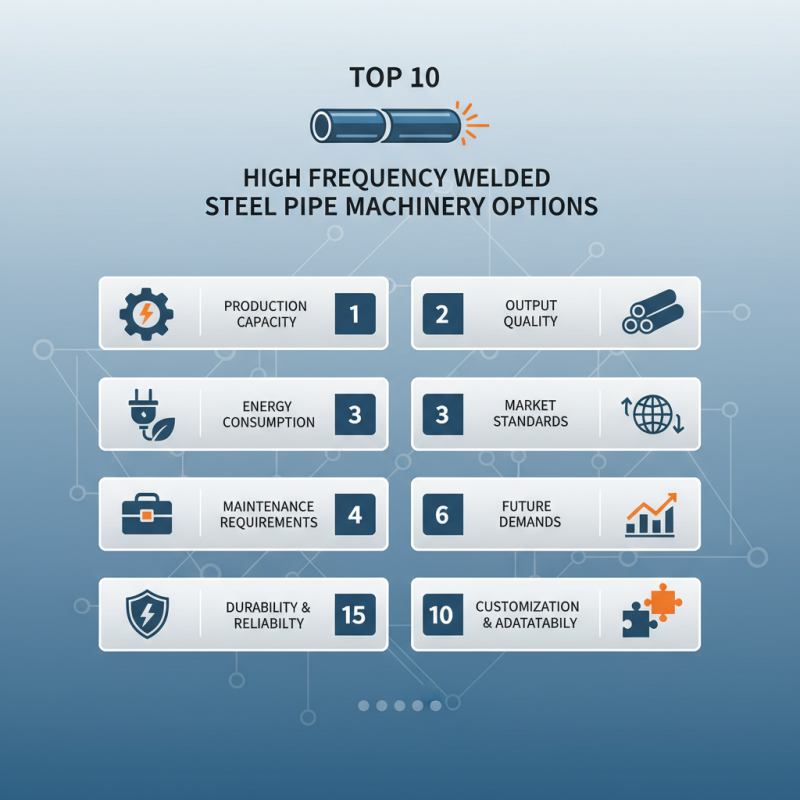
Moreover, not all high frequency welded steel pipe making machinery is created equal. Some may fall short in durability or efficiency, leading to costly downtimes. By analyzing the top options available, we can identify the best machinery that aligns with industry standards and future demands. Investing in high-quality machinery is not merely a choice but a necessity for sustained growth in competitive markets.
High Frequency Welding Technology Overview
High frequency welding (HFW) technology has significantly impacted the steel pipe industry. This process is crucial for producing high-quality welded steel pipes, especially for applications requiring strength and precision. According to industry reports, the global HFW pipe market is projected to reach $5.5 billion by 2027, growing at a CAGR of 6.2%. This growth highlights the technology’s importance in various sectors, including oil and gas and construction.
HFW utilizes high-frequency electrical currents to heat the edges of steel sheets, allowing them to bond without filler material. This method is fast and efficient, making it suitable for large-scale production. The quality of welds produced is often superior to other methods, reducing the risk of defects. However, operators must be skilled to manage the settings accurately to avoid issues like incomplete fusion or excessive distortions.
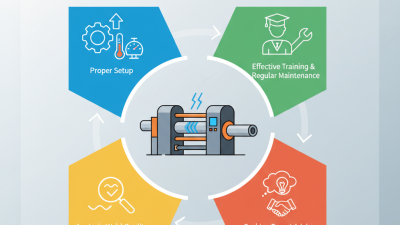
Tip: Regular maintenance of welding machines can greatly enhance performance. Ensure that equipment is calibrated correctly, as even minor discrepancies can lead to significant quality control problems.
Another consideration in HFW is the choice of materials. Variability in the chemical composition of steel can affect the welding outcome. Operators should perform routine checks to ensure compatibility. By being proactive, manufacturers can minimize rework and optimize production efficiency.
Tip: Invest in training for your team. Skilled operators are essential for maintaining consistent quality in production. It's a critical factor in achieving both reliability and safety in the welding process.
Top 10 High Frequency Welded Steel Pipe Machinery Options
This chart displays the production capacity (in tons per month) of the top 10 high frequency welded steel pipe machinery options currently available in the market.
Criteria for Selecting Welded Steel Pipe Machinery
When selecting welded steel pipe machinery, consider crucial criteria for optimal performance. Quality and durability top the list. Machines must withstand high operational demands. The production rate is another key factor. According to a recent industry report, efficient machines can increase output by over 30%. This boost significantly reduces costs over time.
Another essential criterion is technological advancement. Look for features that enhance precision and minimize defects. Automated systems can improve consistency, ensuring high-quality results. However, it's important to assess ease of maintenance. Complex machinery can lead to longer downtimes and increased expenses.
Tips: Always review the machinery’s warranty and support options. A reliable support network can save future headaches. Also, evaluate compatibility with existing systems. Mismatched machines can hinder productivity. Prioritize machines that are adaptable and scalable for future expansions.
Top 10 High Frequency Welded Steel Pipe Machinery Options
| Option |
Welding Speed (m/min) |
Pipe Diameter Range (mm) |
Power Requirement (kW) |
Precision Level (%) |
| Option 1 |
20 |
100 - 200 |
150 |
95 |
| Option 2 |
25 |
50 - 150 |
120 |
98 |
| Option 3 |
15 |
80 - 180 |
160 |
90 |
| Option 4 |
22 |
70 - 250 |
140 |
92 |
| Option 5 |
30 |
100 - 300 |
180 |
97 |
Top 10 High Frequency Welded Steel Pipe Machines
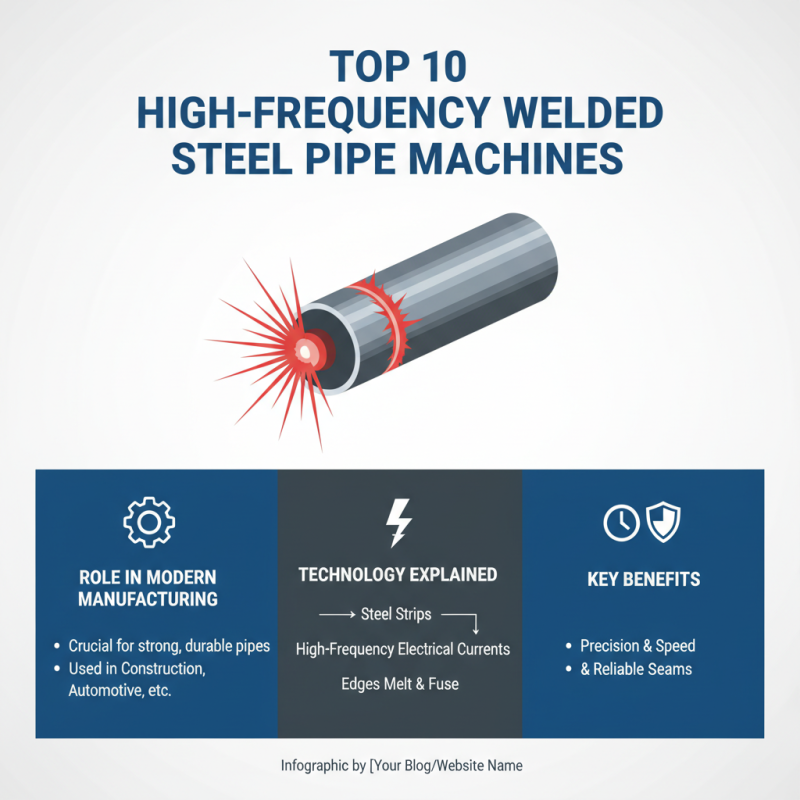
High frequency welded steel pipe machines play a crucial role in modern manufacturing. These machines are designed to create strong, durable pipes used in various industries, from construction to automotive. The technology involves applying high-frequency electrical currents to the edges of steel strips. This process melds the seams with remarkable precision and speed.
Consider the efficiency of these machines. They are designed to produce pipes at various diameters and thicknesses. Some equipment allows for rapid changeovers between different pipe sizes. This flexibility is not always seamless, and adjustments may be needed to achieve optimal performance. Complex setups can lead to downtime, which manufacturers must manage effectively. Operators should be skilled in troubleshooting to minimize disruptions.
The importance of selecting the right machine cannot be underestimated. Reliability and the quality of output are essential. Machines vary in their capabilities and maintenance requirements. There are unique challenges involved, such as the handling of different materials and the calibration of equipment for consistent results. An investment in the right technology is important for maintaining competitive advantages in the market.
Key Features and Benefits of Each Option
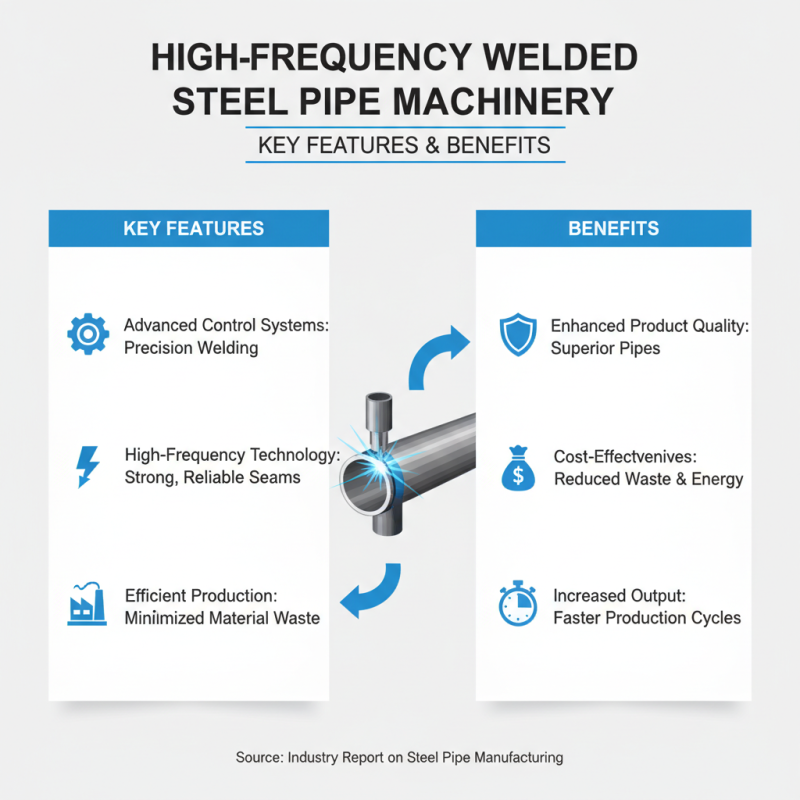
When exploring high frequency welded steel pipe machinery, it’s essential to understand the specific features and benefits of each option. High-frequency welding technology ensures strong and reliable seams, allowing for the efficient production of steel pipes. Many machines utilize advanced control systems, which increase precision in the welding process. This not only enhances the quality of the final product but also minimizes material waste.
Another prominent feature in this machinery is the capacity for customization. Different applications require unique specifications. Many high-frequency welders can be adjusted to accommodate various pipe diameters and wall thicknesses. This adaptability is crucial for manufacturers looking to cater to diverse market needs. Thus, operators can enhance production flexibility, which is vital in today's dynamic industry.
While these machines offer significant advantages, some users report challenges in maintenance. Regular upkeep is necessary to ensure consistent performance. Additionally, understanding the machine's operating parameters can be complex. It may take time to fully grasp the optimal settings for different materials. Addressing these issues requires a commitment to training operators effectively.
Maintenance and Safety Considerations for Welded Pipe Machinery
Maintenance of welded pipe machinery is crucial for safety and efficiency. Regular inspections can help identify wear and tear. Check components like rollers, gears, and welding heads frequently. A small issue can turn into a bigger problem if not addressed.
Safety considerations are equally important. Operators should always wear appropriate protective gear. Eye protection is essential when working near welding equipment. It is also wise to have a fire extinguisher nearby. Proper training for all staff is necessary to avoid accidents.
Additionally, cleanliness in the workspace can prevent hazards. Debris and spills create safety risks. Establishing a routine cleanup schedule can help maintain a safe environment. Regular training sessions can foster a culture of safety awareness. Operators should feel empowered to report issues without fear.