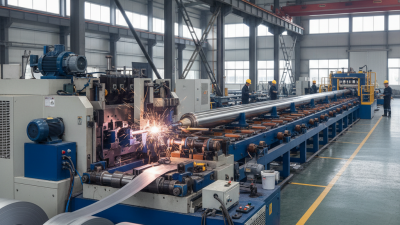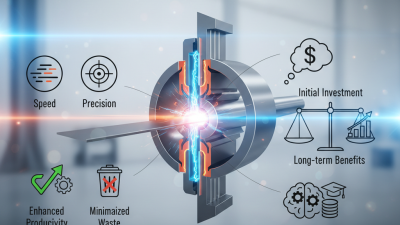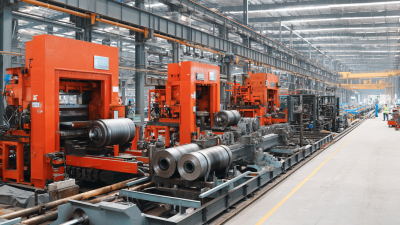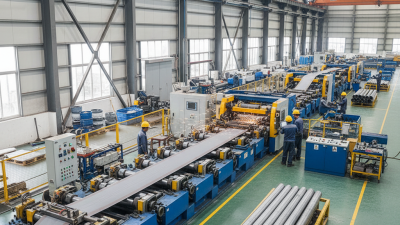
In the competitive world of manufacturing, choosing the right equipment is crucial. A Pipe Welding Machine for Tube Mill Production Line is a key player in this domain. These machines streamline welding processes, improving efficiency. They ensure quality and consistency, vital for high-volume production.
However, not all machines are created equal. Selecting the best option requires understanding features and performance. A reliable Pipe Welding Machine can significantly impact production costs and output quality. It's essential to consider each machine's specifications and how they meet industry standards.
Investing in an advanced tube mill welding machine is beneficial, yet it demands careful analysis. Users must evaluate their specific needs against what machines offer. This brings forth questions on durability and user-friendliness. Each choice possesses strengths and weaknesses that should not be overlooked. A thoughtful approach can lead to better production outcomes.
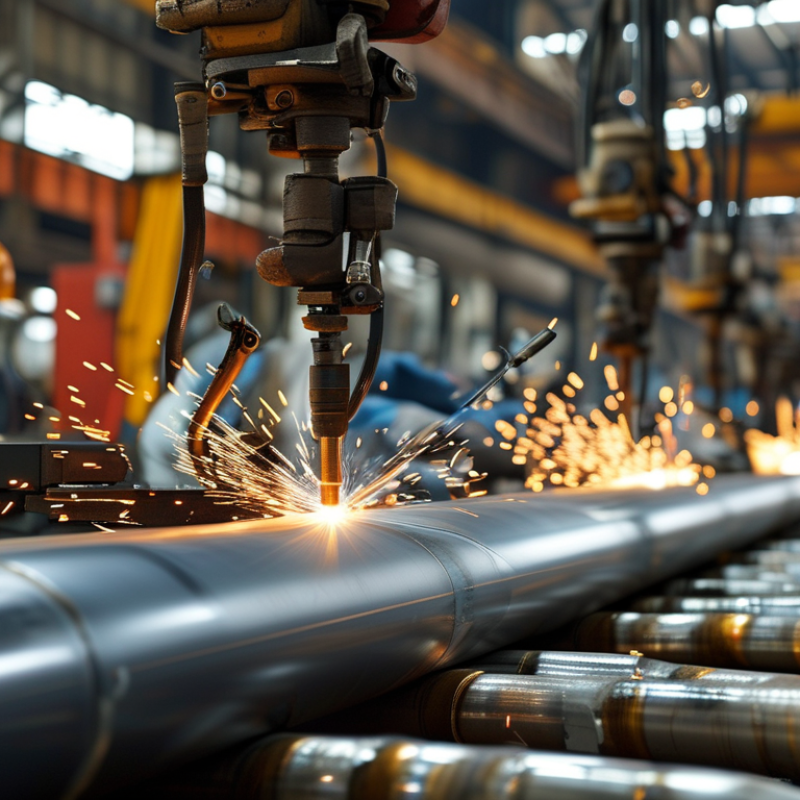
Pipe welding machines play a crucial role in tube mill production lines. These machines ensure strong and reliable welds, which are essential for the structural integrity of welded pipes. According to industry reports, nearly 70% of tube mill manufacturers prioritize advanced welding technology to enhance output quality. The effectiveness of pipe welding affects the overall performance of the final product, making the choice of equipment vital.
Modern welding machines use various techniques, including high-frequency induction and TIG welding. Each method offers specific benefits. Research indicates that high-frequency welding is preferred for producing thinner-walled pipes. This technique provides fast operation and consistent results. On the other hand, TIG welding excels in producing higher-quality joints, particularly in thicker walls. However, it demands more skilled labor and longer production cycles. This highlights a challenge: balancing quality and efficiency in production.
The need for reliability has led manufacturers to seek machines that offer not only durability but also ease of maintenance. Some reports suggest that improper machine care costs companies up to 20% in downtime. Regular maintenance schedules can mitigate this. However, finding skilled technicians for such specialized machines remains a challenge in many regions. Understanding these dynamics is essential for any operation aiming to stay competitive in today's market.
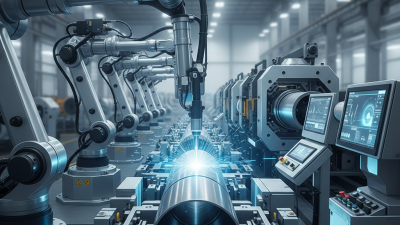
Choosing the right pipe welding machine for tube mill production is crucial. There are several key features to consider to ensure efficient operations. One must look at the machine's power efficiency. This impacts overall energy consumption and operational costs. An efficient machine reduces waste and improves productivity.
Welding speed is another important factor. Fast welding speeds lead to higher output. However, speed should not compromise quality. Inspect the machine's adjustable settings. Flexibility in settings can cater to different pipe materials and thicknesses. Durability is vital too. A robust machine withstands continuous use and harsh environments.
Lastly, consider the machine's ease of use. A user-friendly interface simplifies operation and reduces training time. Regular maintenance access is also essential. Machines that are easy to maintain save time on repairs and downtime. These elements can significantly influence production efficiency and overall success in tube mill initiatives.
When choosing a welding machine for tube mill production, efficiency and performance are crucial. Modern pipe welding machines come equipped with advanced technology. Features like automated controls reduce operator fatigue. Machines that offer real-time monitoring enhance precision. However, not all machines provide the same level of reliability. Some may struggle with inconsistent weld quality over time.
Performance varies significantly among models. Factors such as welding speed and heat control affect overall output. Machines designed for high-speed operations often face challenges in maintaining consistent weld integrity. Others may excel in creating robust joints but operate more slowly. It’s important to assess your specific production needs before making a decision.
In the realm of pipe welding, user experience is invaluable. Operators often share feedback about machine reliability. Some machines may require frequent maintenance, raising operational costs. Understanding these nuances can help in making a wise investment. Choosing the right machine is not just about features. It’s about how well it performs under real-world conditions.
| Machine Model | Welding Speed (m/min) | Power Consumption (kW) | Welding Thickness (mm) | Weight (kg) | Overall Rating (1-5) |
|---|---|---|---|---|---|
| Model A | 15 | 25 | 6 | 1000 | 4.5 |
| Model B | 20 | 30 | 8 | 1200 | 4.7 |
| Model C | 10 | 20 | 5 | 950 | 4.2 |
| Model D | 12 | 28 | 7 | 1150 | 4.3 |
| Model E | 18 | 35 | 9 | 1300 | 4.6 |
Maintaining pipe welding machines is crucial for efficient tube mill operations. Regular maintenance can prevent costly breakdowns. A checklist can keep things organized.
Inspect the machines daily. Check for any unusual noises or vibrations. These could indicate underlying issues. Ensure that all components are functioning well. Now is a good time to clean gutters and cooling systems.
Don’t overlook the importance of lubrication. Properly lubricated parts reduce friction. They help machines work more smoothly. Also, train staff regularly. Knowledgeable operators are key to minimizing errors.
Consider documenting all maintenance activities. This creates a reliable history for future reference. Regular assessments allow for proactive adjustments.
The future of pipe welding technology for tube mill production is evolving rapidly. Industry reports indicate that automation and digital solutions are at the forefront of this shift. Automated welding machines are now capable of enhancing precision and efficiency, reducing the chances of human error. According to market analysis, 75% of manufacturers expect to increase their use of automated solutions by 2025. This trend is not just about speed; it ensures consistent quality in production lines.
Another crucial aspect is the integration of real-time data monitoring. Advanced sensors and AI analytics provide insights during the welding process. These technologies help in detecting defects instantly, which can save costs and time. However, the reliance on technology may require a skilled workforce that can manage and maintain these systems. Reports show that 60% of employers face challenges in finding qualified technicians for these advanced machines.
**Tip:** Regular training for staff can bridge the skills gap in your workforce. As technology advances, it is essential to adapt your team’s skills accordingly. Investing in employee development ensures both efficiency and product quality. Furthermore, robust maintenance strategies are vital in avoiding unforeseen downtimes. Ultimately, staying ahead in pipe welding requires continuous evolution and the willingness to embrace new technologies.