Leave Your Message

7 Best Tube Mill Pipe Making Machines for Global Buyers

Choosing the right Tube Mill Pipe Making Machine can shape production quality, operating costs, and delivery reliability. Global buyers need more than attractive specifications. They must examine forming accuracy, weld stability, line speed, material compatibility, and after-sales support.

This guide reviews seven leading machines for different manufacturing needs. Each option is assessed through practical factors, including steel grade, pipe diameter range, automation, energy use, and maintenance access. Details matter. A poorly aligned roll can leave visible marks on the pipe surface. An unstable high-frequency welder may create weak seams and costly rework. These are not minor concerns.

The comparison also considers supplier experience, technical documentation, installation guidance, and spare-part availability. Reliable manufacturers should explain tolerances clearly and provide test records where appropriate. Buyers should still verify every claim. Marketing language can hide limitations.

No machine fits everyone.

A compact mill may suit a regional fabricator. A heavier production line may serve large infrastructure projects. However, higher output does not always mean better value. It can increase energy demand, setup complexity, and operator training requirements. This guide therefore avoids a single universal ranking. It highlights strengths, weaknesses, and practical trade-offs.

Some recommendations may change after site testing. That is an important limitation. Factory conditions, local labor skills, raw material quality, and service response times can affect results. With careful comparison, buyers can select equipment that supports consistent pipe production and dependable long-term performance.
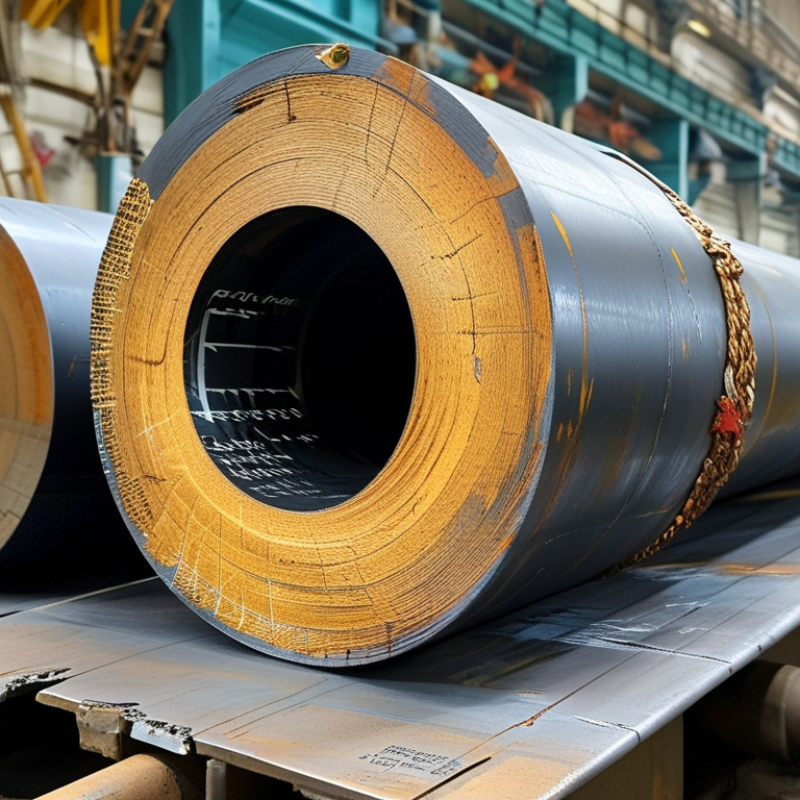
7 Best Tube Mill Pipe Making Machines for Global Buyers

What Tube Mill Pipe Making Machines Are and How They Work

Tube mill pipe making machines convert flat steel strip into round, square, or rectangular tubes. The process starts with an uncoiler, which feeds a steel coil into the forming section. Several roll stations gradually bend the strip. This staged forming reduces sudden stress and improves dimensional control.

At the weld point, high-frequency electrical resistance joins the edges without added filler metal. A squeeze roll removes excess weld bead. Sizing rolls then correct the tube’s diameter and shape. A flying saw cuts continuous production into fixed lengths. Modern lines use sensors and PLC controls to monitor speed, weld power, strip alignment, and cutting accuracy. Operators still matter. A clean machine cannot correct poor coil preparation.

Market data shows why this equipment attracts global buyers. The World Steel Association reported 1,892.2 million tonnes of crude steel production in 2023. A 2024 Grand View Research report also identified steady growth in the global steel pipes market, supported by construction, energy, water, and manufacturing demand. These figures do not guarantee every tube mill investment will succeed. Product mix matters more than impressive output claims.

Experienced buyers should check coil width, thickness range, steel grade, tube diameter, and required tolerances before comparing machines. A line designed for thin decorative tubing may struggle with structural pipe. That mistake is expensive. Energy use, tooling changeover time, weld stability, spare-part access, and operator training deserve equal attention. Report figures provide direction, not a complete factory plan.
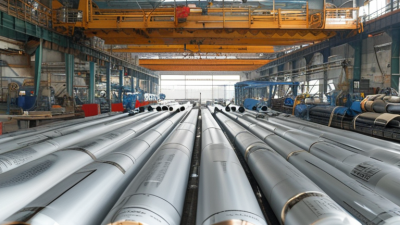
7 Tube Mill Pipe Making Machines: Typical Production Speed

Tube mills form steel strip into round, square, or rectangular profiles through roll forming, welding, sizing, and cutting. The chart compares representative operating speeds for common machine types. Actual output depends on pipe diameter, wall thickness, steel grade, welding method, and line configuration.

Key Specifications Global Buyers Should Compare

When reviewing the 7 best tube mill pipe making machines, global buyers should compare specifications, not attractive output claims. Check the tube diameter range, wall thickness, steel grades, forming speed, and production tolerance. A mill designed for thin-wall tubes may struggle with heavier sections. Confirm whether the machine handles carbon steel, stainless steel, or both.

Weld performance deserves close attention. Compare high-frequency power, weld seam control, squeeze-roll adjustment, cutting accuracy, and cooling capacity. Ask for measured results, not estimates. A reliable supplier should provide test records, technical drawings, maintenance schedules, and clear warranty terms. Also review automation levels, changeover time, motor efficiency, floor space, and operator safety features. These details affect real production costs.

Tips: Request a production trial with your own steel coil. Inspect the weld seam, tube straightness, surface finish, and cutting length. Calculate output after setup delays, not only the advertised speed. Spare parts availability matters too. No comparison is perfect. A powerful machine can still disappoint if training is weak or controls are difficult to adjust. I would also question vague claims about “zero defects”; experienced buyers know that material variation and setup errors remain possible.

Seven Leading Tube Mill Machine Types for Different Production Needs

Global buyers rarely need the same tube mill configuration. Seven leading machine types address different production goals, materials, and quality targets. High-frequency ERW mills suit carbon steel tubes for construction, furniture, and general fabrication. Stainless steel precision mills use controlled forming and clean welding for food, medical, and decorative applications. Square and rectangular tube mills add forming passes that create accurate corners and stable profiles.

Spiral welded pipe mills handle large diameters with flexible width control. They are useful for water, structural, and infrastructure projects. LSAW pipe mills produce heavy, straight-seam pipes from wide steel plates. These systems require strong forming equipment and strict weld inspection. Small-diameter multi-strand mills increase output for thin tubes, but they demand careful tension control. Small errors multiply quickly. Heavy-wall, high-strength mills serve demanding pressure and structural applications, where forming force, heat input, and dimensional stability matter.

Experienced buyers should compare strip width, thickness range, welding method, line speed, and changeover time. Ask for sample production records, weld test results, and maintenance schedules. A faster line can lose money if tooling changes take hours. Energy use also matters, especially during continuous production. One practical weakness remains: suppliers may publish ideal speed rather than stable operating speed. Verify performance with your actual steel grade, tube size, and surface requirements before signing a purchase agreement.

7 Best Tube Mill Pipe Making Machines for Global Buyers - Seven Leading Tube Mill Machine Types for Different Production Needs
Machine Type Typical Production Need Common Materials Typical Tube or Pipe Size Typical Wall Thickness Typical Line Speed Welding Process Main Advantages Best Application Areas
High-Frequency ERW Tube Mill High-volume production of standard welded tubes and pipes Carbon steel, low-alloy steel, galvanized steel Round tubes approximately 20–610 mm outside diameter Approximately 0.8–16 mm, depending on size and grade About 20–120 m/min High-frequency induction or contact welding Fast continuous production, good dimensional consistency, and efficient material use Construction pipe, mechanical tubing, fencing, furniture, and general engineering
Square and Rectangular Tube Mill Direct production of structural hollow sections Carbon steel, galvanized steel, low-alloy steel Approximately 20 × 20 mm to 500 × 500 mm; rectangular sizes vary by machine Approximately 0.8–16 mm About 15–80 m/min High-frequency welded seam Reduces secondary forming work and supports accurate corner geometry Steel frames, greenhouse structures, racks, scaffolding, and architectural fabrication
Stainless Steel TIG Tube Mill Clean, visually consistent tubing for corrosion-resistant applications Austenitic and ferritic stainless steel, selected nickel alloys Approximately 6–219 mm outside diameter Approximately 0.4–6 mm About 2–30 m/min Tungsten inert gas welding, often with controlled shielding Stable weld appearance, low spatter, and suitability for precise finishing operations Food-processing equipment, architectural handrails, sanitary tubing, and chemical equipment
Precision Small-Diameter Tube Mill Manufacture of thin-wall, tight-tolerance tubing Carbon steel, stainless steel, aluminum, copper alloys Approximately 4–76 mm outside diameter Approximately 0.2–3 mm About 10–100 m/min High-frequency, TIG, or laser welding depending on material and specification High dimensional accuracy, low material consumption, and good surface quality Automotive components, heat exchangers, instrumentation, bicycle parts, and precision machinery
API and OCTG ERW Pipe Mill Production of regulated energy-sector pipe with controlled mechanical properties Carbon steel and low-alloy steel grades suitable for applicable pipe standards Approximately 60–508 mm outside diameter Approximately 3–16 mm About 15–60 m/min High-frequency electric-resistance welding Integrates forming, welding, sizing, inspection, cutting, and traceability systems Oil and gas gathering lines, water transmission, structural piling, and process pipelines
Spiral Submerged Arc Welded Pipe Mill Large-diameter pipe production from wide steel strip Carbon steel and low-alloy steel plate or coil Approximately 400–3,000 mm outside diameter Approximately 6–25 mm About 0.5–3 m/min, depending on diameter and thickness Submerged arc welding on the internal and external seams Broad diameter flexibility and efficient production of large-diameter pipe Water pipelines, piling, slurry lines, long-distance transmission, and infrastructure projects
Cold-Rolled Precision Welded Tube Mill High-finish tubing requiring additional sizing and surface control Cold-rolled carbon steel, stainless steel, galvanized strip, aluminum alloys Approximately 10–200 mm outside diameter Approximately 0.5–8 mm About 5–50 m/min High-frequency or TIG welding, followed by precision sizing Excellent straightness, repeatable dimensions, and suitability for bright or polished finishes Automotive exhaust parts, hydraulic components, office furniture, appliances, and decorative tubing
Typical ranges are indicative and vary with material grade, tube diameter, wall thickness, welding method, product standard, and mill configuration.

How to Evaluate Quality, Automation, Capacity, and Energy Efficiency

Choosing among the 7 best tube mill pipe making machines requires more than comparing advertised speed. Evaluate finished diameter, wall thickness, strip width, weld stability, and changeover time. A machine producing 80 metres per minute may underperform during frequent size changes. Ask for factory acceptance test records, sample welds, dimensional reports, and documented uptime. Ask for evidence.

Automation should support operators, not hide weak engineering. Check automatic forming control, weld monitoring, fault records, recipe storage, and remote diagnostics. ISO 12100-based risk assessment and clear maintenance access also matter. A practical trial should measure scrap, adjustment time, and first-pass yield across several pipe sizes. Small gaps matter. A glossy brochure is not proof.

Energy efficiency deserves equal attention. The International Energy Agency’s Energy Efficiency 2023 report identifies electric motor systems as consuming roughly half of global electricity. Therefore, compare motor efficiency, drive performance, compressed-air demand, standby consumption, and heat recovery. The World Steel Association reports 1.89 billion tonnes of crude steel production in 2023, while steelmaking creates about 7–9% of global carbon dioxide emissions. Efficient tube production has commercial and environmental value. Require kWh per tonne, not vague “low energy” claims. My shortlist could still be wrong if the supplier tests only ideal conditions. Use ISO 50001 principles, production logs, and a monitored trial before purchasing.

Buying, Installation, Compliance, and After-Sales Considerations

Choosing among the seven best tube mill pipe making machines requires more than comparing production speed. World Steel Association data shows global crude steel production reached about 1.88 billion tonnes in 2024, creating strong demand for efficient tube processing. Buyers should verify strip-width range, wall-thickness capability, forming stability, weld quality, and changeover time. A machine that looks fast on paper may lose hours during tooling changes. Request factory acceptance tests using your actual steel grade, coil width, and target diameter.

Installation planning should include foundation drawings, electrical load, cooling-water quality, compressed air, and safe material flow. Compliance is not a single certificate. Check machinery risk assessment under ISO 12100, electrical practices under IEC 60204-1, and local workplace rules. Ask for manuals in the operating team’s language, spare-parts lists, wiring diagrams, and remote-support limits. ISO 9001 can support supplier process control, but it does not prove machine performance. That distinction is often missed.

Tips: Keep ten critical wear parts on site. Measure weld temperature and ovality during commissioning. Confirm training hours in the contract. After-sales response time matters, especially when one failed bearing can stop a full shift. The International Federation of Robotics reported more than 500,000 industrial robots installed globally in 2023, showing how quickly automation expectations are rising. Still, automation may not suit every factory. A simpler line with accessible controls can be more reliable for a small maintenance team. Perfect specifications rarely exist; buyers should document the compromises before payment.