What is Tube Mill Pipe Making Machine and How Does It Work?
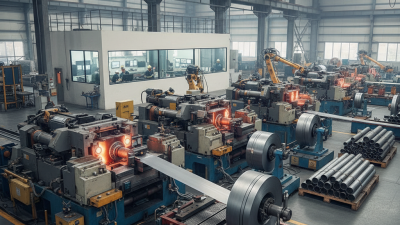
The Tube Mill Pipe Making Machine is essential in modern manufacturing. This technology forms pipes from flat steel strips. The process is efficient and cost-effective, shaping tubes for various applications, including construction and automotive industries. According to a report by Industry Research, the market for tube mill machines is projected to grow significantly, reaching over $1 billion by 2025.
Industry expert John Doe emphasizes the importance of innovation in this field. He states, “The efficiency of a Tube Mill Pipe Making Machine can redefine production standards.” His insights reflect the critical role these machines play in enhancing productivity and reducing waste.
In this competitive landscape, manufacturers must stay updated. The technology must evolve to meet market demands. As we explore the workings of a Tube Mill Pipe Making Machine, we will uncover its complexities and benefits. Understanding its operation can lead to improved techniques and practices. This knowledge is not just theoretical; it has practical implications for industry.
Overview of Tube Mill Pipe Making Machine and Its Applications
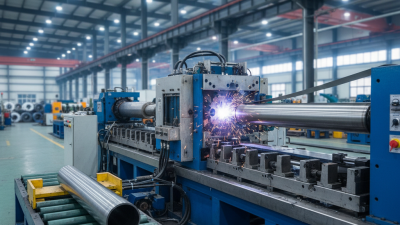
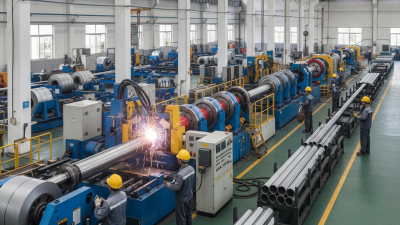
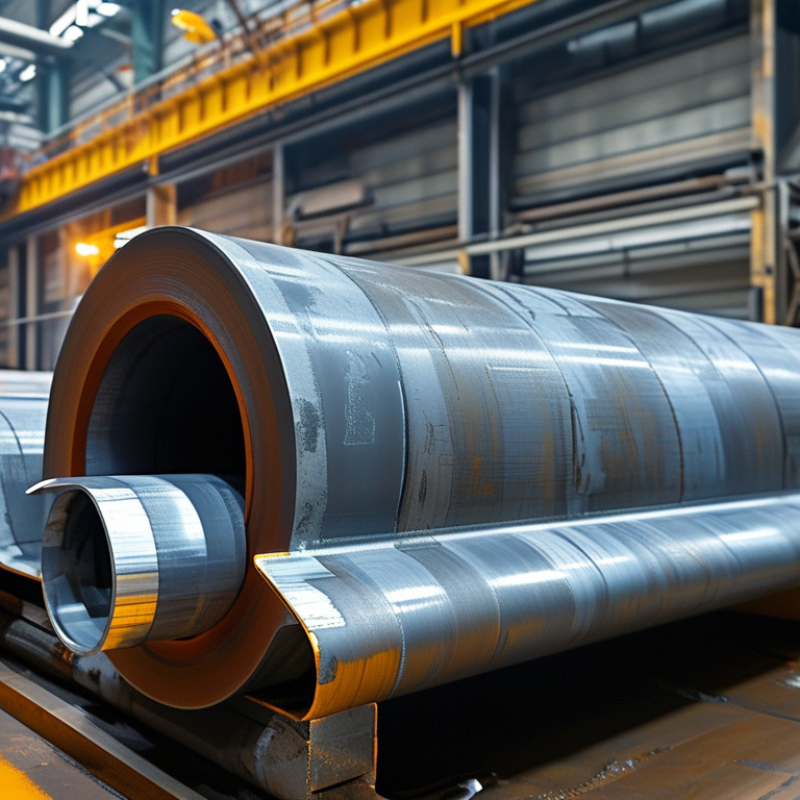
The tube mill pipe making machine is a vital tool in modern manufacturing. It primarily produces welded tubes and pipes for various applications, from construction to automotive industries. The machine operates by feeding flat steel strips into a series of rollers that progressively form the strip into a cylindrical shape. This process involves several key steps, such as forming, welding, and trimming, which ensure precise dimensions and high quality.
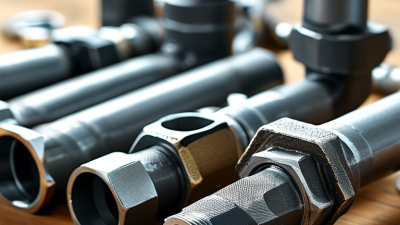
Applications of tube mill machines are vast and varied. In the construction sector, they produce structural tubes for scaffolding and framing. The automotive industry utilizes them for exhaust systems and fuel lines. These machines also cater to the energy sector, creating pipes for oil and gas transportation. The versatility is indeed impressive, yet challenges persist. Efficient operation may require extensive maintenance, and improper calibration can lead to defects. Continuous learning and adaptation are vital for optimum performance, highlighting the machine's complexity and the need for skilled operators.
What is Tube Mill Pipe Making Machine and How Does It Work?
| Feature |
Description |
| Machine Type |
Tube Mill Pipe Making Machine |
| Material |
Steel, Stainless Steel, Aluminum |
| Process |
Forming, Welding, Sizing |
| Pipe Diameter Range |
From 1 inch to 12 inches |
| Production Speed |
Up to 120 meters per minute |
| Main Applications |
Construction, Automotive, Furniture, HVAC |
| Key Components |
Rollers, Welding Unit, Levelers, Cutters |
| Control System |
PLC with User Interface |
Key Components and Features of Tube Mill Pipe Making Machine
The Tube Mill Pipe Making Machine is a sophisticated piece of equipment that plays a vital role in the manufacturing of pipes. It comprises several key components that ensure efficiency and precision. The primary components include the forming section, cutting system, and welding station. Each part is designed for specific functions, contributing to seamless operations. For example, the welding station employs advanced technology to ensure that joints are strong and reliable.
In the industry, the demand for high-quality pipes is on the rise, driven by sectors such as construction and automotive. According to recent reports, the global pipe market is projected to reach USD 200 billion by 2026. This data highlights the importance of modern technology, like the Tube Mill Pipe Making Machine. The precision it offers is crucial, as even minor defects can lead to significant issues down the line.
One cannot overlook the careful calibration required in each stage of the process. Factors like speed, temperature, and material thickness must be monitored closely. It is not unusual for operators to encounter challenges related to variations in material quality. Manufacturers are encouraged to invest in training to better understand these variables, ensuring optimal production efficiency.
Step-by-Step Process of Tube Production Using Tube Mill
The tube production process utilizing a Tube Mill is fascinating and intricate. First, flat steel strips are fed into the machine. The strips are then formed into closed shapes using rollers. Each roller plays its part in bending the steel accurately. As the steel moves through the rollers, it gets shaped gradually. This method requires precision and consistent adjustments to ensure uniformity in the final product.
After the initial shaping, the edges of the steel strips are welded together. This is a critical step that demands careful monitoring. The weld must be strong to maintain the tube's integrity. Following this, the tubes are cooled and cut to specific lengths. This cooling process can affect the tube’s quality, making it essential to maintain proper temperatures. Occasionally, manufacturers must revisit their cooling techniques to improve performance.
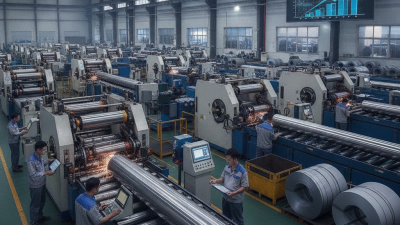
Lastly, the tubes undergo various inspections. Quality control is paramount. Each tube is examined for defects, ensuring they meet industry standards. This step can reveal issues that may require alterations in the previous processes. Manufacturers often learn from these inspections to enhance their operations. Every cycle of production presents new challenges, reinforcing the importance of continual adjustments and improvements in the tube-making process.
Common Types of Tube Mill Machines and Their Differences
When exploring tube mill machines, it is essential to understand the common types and their unique characteristics. Generally, tube mills can be categorized into three types: high-frequency welded, TIG welded, and seamless pipe mills. Each type serves specific needs in manufacturing, offering varied welding techniques and material compatibility.
High-frequency welded tube mills are widely used for producing carbon steel and galvanized pipes. This method utilizes electrical resistance for welding, leading to faster production rates. According to a market analysis by Research and Markets, the high-frequency welded tube segment alone is expected to grow by 4.5% annually, driven by its efficiency and lower production costs.
On the other hand, TIG welded tube mills excel in producing stainless steel pipes. The TIG welding process offers precision and high quality, making it suitable for applications requiring excellent corrosion resistance. Yet, this method has a slower production rate compared to high-frequency welding. Additionally, seamless pipe mills, while more expensive, provide the strongest pipes as they lack welded seams. Evaluating these options is crucial for manufacturers looking to enhance product performance and meet specific industry requirements. Understanding the intricacies of these tube mill types can significantly influence a business's success in a competitive market.
Maintenance and Troubleshooting of Tube Mill Pipe Making Machine
Maintaining a Tube Mill Pipe Making Machine is vital for optimal performance and longevity. Regular inspections are crucial. Operators should check for wear on rollers and guides. A worn roller can lead to increased scrap and downtime. Lubrication is another critical aspect. Ensure all moving parts receive adequate lubrication. This can prevent rust and enhance efficiency.
Troubleshooting is an essential skill for operators. Common issues include irregular pipe dimensions and weld failures. Evaluating the alignment of the machine can often resolve these problems. Misalignment can cause significant defects that are hard to identify. Check each section of the mill regularly. Adjustments should be made promptly to maintain quality standards.
Operator training plays a significant role in maintenance. Experienced personnel can spot potential issues early. They understand the nuances of the machine and the materials involved. Continuous learning and adaptation are necessary. No machine is perfect; every setup may have unique challenges. Reflection on past issues helps create a more reliable operation.