Leave Your Message

China Top Square Tube Mill Pipe Making Machinery?

China Top Square Tube Mill Pipe Making Machinery is attracting attention from manufacturers seeking stable output, flexible production, and controlled investment. This article examines how Chinese suppliers design and build Square Tube Mill Pipe Making Machinery for structural tubes, furniture profiles, and industrial applications.

The discussion focuses on practical details. These include forming stands, high-frequency welding, sizing sections, flying saws, and automatic stacking systems. A reliable mill should maintain accurate dimensions while reducing surface marks and welding defects. It should also support common steel grades and multiple tube sizes without excessive changeover time.

Small details matter.

Dr. Shigeo Shingo, a renowned manufacturing engineering expert, stated, “The most dangerous kind of waste is the waste we do not recognize.” His principle applies directly to tube production. Hidden waste may appear as repeated setup adjustments, unstable weld quality, unnecessary scrap, or poorly matched tooling. Experienced buyers therefore examine process control, roll design, electrical systems, maintenance access, and commissioning support—not only the quoted machine price.

Chinese machinery manufacturers offer different levels of automation and customization. Some provide complete production lines, while others focus on modular equipment. Factory testing, sample production, documentation, and after-sales training deserve careful verification. These points can reveal more than polished brochures.

However, no machine is perfect.

Actual performance depends on raw-material quality, operator skill, tooling accuracy, and maintenance discipline. A careful comparison should include measurable production data, energy consumption, tolerances, and service response times. This article will assess leading options with a practical perspective, while recognizing that supplier claims still require independent confirmation.
China Top Square Tube Mill Pipe Making Machinery?

Square Tube Mill Pipe Making Machinery: Definition and Core Functions

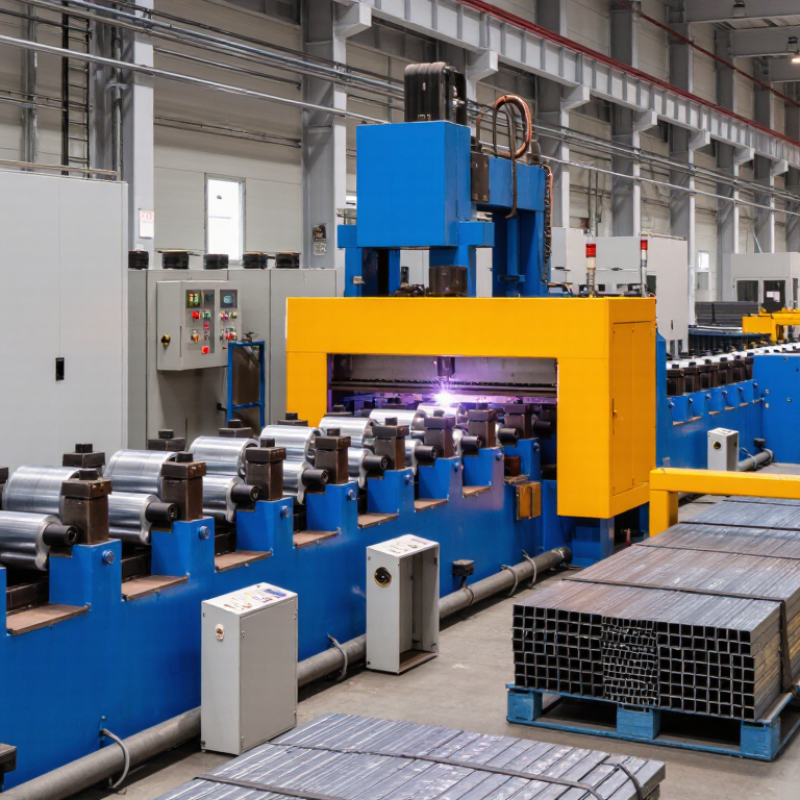
A square tube mill is a continuous production line that converts flat steel strip into hollow, square-section tubing. Its core functions are strip feeding, edge preparation, forming, seam welding, sizing, and cutting.

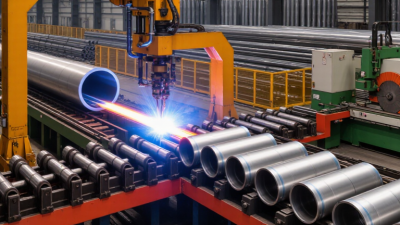
Forming rolls gradually bend the strip into a closed shape. High-frequency resistance welding joins the meeting edges, while squeeze rolls help consolidate the seam. Sizing stands correct the tube’s width, height, and corner shape. A flying saw then cuts it to length.

The sequence sounds simple. Setup is not.

The World Steel Association’s 2024 production data reports 1.89 billion tonnes of crude steel worldwide in 2023, including 1.02 billion tonnes in China. This scale provides context, but it does not measure square-tube demand or mill performance.

A sound equipment assessment should compare the required tube dimensions, steel grade, wall thickness, and target line speed. Sensors monitor strip tension, weld conditions, and sizing accuracy; operators still need to verify samples with measuring tools.

One practical weakness deserves attention: a line may run quickly yet produce inconsistent corners after a tooling change. Real production often exposes details that a specification sheet misses.
Key Components of a Modern Square Tube Production Line

China Top Square Tube Mill Pipe Making Machinery?

Key Components of a Modern Square Tube Production Line

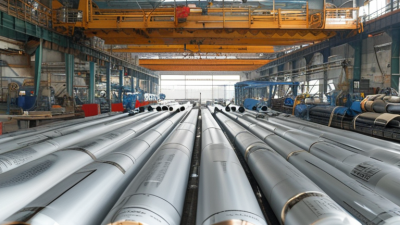
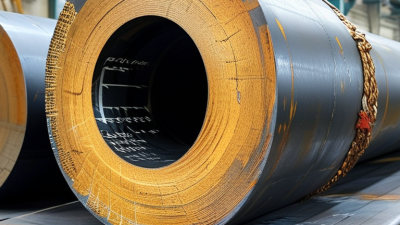
A modern square tube mill begins with a sturdy uncoiler. It feeds steel strip at a steady speed and prevents coil movement. A leveling unit removes bends before forming starts. This detail matters. Uneven strip edges can create unstable welds and poor corner geometry. Operators should inspect tension settings during every material change.

The forming section uses several roll stands to shape the strip gradually. Each stand must share the workload. Excessive pressure in one stand may mark the surface or distort the tube. High-frequency welding then joins the edges with controlled heat. Impedance control, weld alignment, and cooling arrangements affect joint strength. In real production, small alignment errors often become visible only after sizing.

Sizing rolls establish the final square dimensions. A flying saw cuts tubes without stopping the line, while an automatic stacking system protects finished surfaces. Sensors can monitor speed, temperature, length, and weld conditions. A PLC coordinates these signals, but software cannot replace careful inspection. Calipers, surface checks, and sample testing remain necessary. The process is efficient, yet not perfect. Roll wear can change corner radii, and operators may overlook gradual drift. Regular calibration helps, although maintenance schedules sometimes need adjustment after extended production.

Step-by-Step Square Tube Manufacturing Process

A square tube mill begins with steel coil, not finished pipe. Operators check coil width, thickness, surface condition, and edge quality before loading it onto the uncoiler. A leveler flattens the strip, while a slitter cuts it to the required width. The strip then enters a forming section, where successive rolls bend it into an open, square-like shape. Good setup matters. Small alignment errors can carry through the entire line.

High-frequency welding joins the strip edges, and a scarfing tool removes excess weld bead. Sizing rolls then bring the tube to its final dimensions and help correct corner shape. A flying saw cuts the continuous tube to length without stopping production. Each stage needs monitoring: operators can check weld appearance, dimensions, and straightness as samples leave the line. The process sounds tidy on paper. Real production can be less tidy; roll wear and material variation may require adjustment.

The World Steel Association’s World Steel in Figures 2024 reports global crude steel production of 1,892.2 million tonnes in 2023. This figure describes the wider steel supply, not square-tube output, but it shows the scale of the material chain behind tube manufacturing. Final inspection should verify dimensions and surface condition against the buyer’s requirements. A mill should also record settings and test results, so defects can be traced rather than guessed at later. One honest limitation: a clean-looking weld alone does not prove tube quality.

How to Evaluate China-Based Tube Mill Manufacturers

When evaluating China-based tube mill manufacturers, look beyond the quoted price. Ask what square tube sizes the line can produce and which steel grades and thicknesses it supports. A clear specification should include forming, welding, sizing, cutting, and handling equipment. Details matter.

Request a live production trial using material close to your own. Watch how the strip enters the forming section, how the weld seam is controlled, and whether the finished tube holds its dimensions. Ask for sample measurements and test records, not just polished machine photos. Confirm the stated output speed against the tube size and wall thickness you plan to run. Faster is not always better.

Check how the manufacturer handles installation, operator training, spare parts, and technical support across time zones. Review equipment drawings, electrical documentation, and the proposed delivery schedule before placing an order. If possible, speak with existing customers who run similar products. A factory visit can help, but it does not replace written commitments. It is easy to focus on machine appearance and miss service details; that judgment deserves a second look. A detailed acceptance plan makes expectations clearer for both sides.

China Top Square Tube Mill Pipe Making Machinery? - How to Evaluate China-Based Tube Mill Manufacturers
Evaluation Dimension What to Check Useful Evidence or Questions Evaluation Notes
Product Range Confirm that the proposed mill can produce the required square and rectangular tube sizes, wall thicknesses, and steel grades. Request the machine’s rated size range and material specifications. Compare them with your actual product schedule rather than relying on a general catalogue. Product capability depends on the machine configuration, tooling, material, and forming method.
Capacity and Line Speed Check rated production speed, changeover time, and expected output for the specific tube dimensions and thicknesses you plan to run. Ask for production data for comparable products and clarify whether stated speed is a maximum line speed or a verified production rate. Line speed alone does not establish output; welding, cutting, handling, and changeovers also affect production.
Forming and Sizing System Review the forming sequence, sizing stands, roll adjustment method, and tooling arrangement. Request a process layout, tooling list, adjustment instructions, and details of how the machine handles the specified tube-size range. Tooling and setup requirements vary by mill design and product range.
Welding and Cutoff Verify that the welding system and cutoff equipment suit the intended material, wall thickness, tube dimensions, and production requirements. Ask for equipment specifications, weld-quality inspection procedures, and details of the cutoff method and length tolerance. Confirm requirements against the applicable product standards and the buyer’s own inspection plan.
Dimensional Quality Agree on measurable acceptance criteria for outside dimensions, corner shape, straightness, length, and weld condition. Request sample inspection reports and identify the measurement methods, sampling frequency, and acceptance limits used during production. Acceptance limits should be documented for the specific product and applicable standard.
Automation and Controls Assess the control system, operator interface, recipe or parameter management, safety interlocks, and availability of electrical documentation. Ask for the control-system specification, electrical drawings, operating-language options, and a demonstration of key operating functions. Confirm compatibility with the plant’s electrical supply and operating procedures.
Tooling and Changeover Determine which rolls, guides, spacers, or other tooling are included and what is needed for each product change. Request a tooling inventory, changeover procedure, estimated changeover time, and pricing for additional or replacement tooling. Clarify whether tooling is included in the quotation or priced separately.
Inspection and Factory Testing Review the inspection plan and the proposed factory acceptance test before shipment. Agree in writing on test materials, target products, operating duration, measured results, and the procedure for documenting test completion. A witnessed test can help verify agreed requirements before the machine is dispatched.
Documentation and Compliance Check the manuals, drawings, parts lists, risk information, and certificates relevant to the equipment and destination market. Request copies of applicable documents and verify that any certificate applies to the quoted machine and the intended market. Regulatory requirements vary by destination and equipment configuration.
Installation and Training Clarify installation scope, commissioning support, operator training, travel costs, and the responsibilities of each party. Ask for a written schedule and identify which utilities, foundations, lifting equipment, and personnel the buyer must provide. Confirm whether on-site support or remote assistance is included in the contract.
Spare Parts and Service Evaluate the spare-parts list, recommended stock, response channels, warranty terms, and technical support arrangements. Request part numbers, lead-time estimates, warranty exclusions, and the process for handling service requests. Check that critical wear parts can be identified and reordered from the documentation supplied.
Commercial Terms Compare the complete scope, delivery schedule, payment milestones, packing, shipping terms, and warranty provisions. Request a line-item quotation and confirm what is excluded, including freight, installation, taxes, tooling, and consumables. Compare offers on equivalent scope and delivery terms, not headline price alone.

Applications, Quality Standards, and Maintenance Requirements

China Top Square Tube Mill Pipe Making Machinery?

Square tube mills serve construction frames, warehouse racks, agricultural equipment, and solar-support structures. Their output must match the application: a lightweight partition tube has different load demands from a structural column.

ASTM A500/A500M specifies requirements for cold-formed carbon-steel structural tubing, while EN 10219 covers cold-formed welded structural hollow sections. Buyers should verify the applicable grade, dimensions, wall thickness, and test requirements before production.

The World Steel Association reported 1,892.2 million tonnes of global crude steel production in 2023. That figure describes a vast material supply, not square-tube demand, but it highlights why consistent processing matters.

Check finished tubes for width, corner shape, straightness, and weld integrity. A calibrated measuring gauge and documented inspection records help catch drift before a full batch is affected.

Maintenance matters just as much. Inspect forming rolls for wear, keep shafts aligned, and monitor bearing temperature and vibration. Clean weld-area buildup and confirm lubrication schedules against the machine maker’s instructions.

Small checks matter. A worn roll can leave a faint twist that only appears during assembly. In practice, maintenance logs are not always complete; that is a weakness worth correcting, especially when changing steel thickness or tube dimensions.